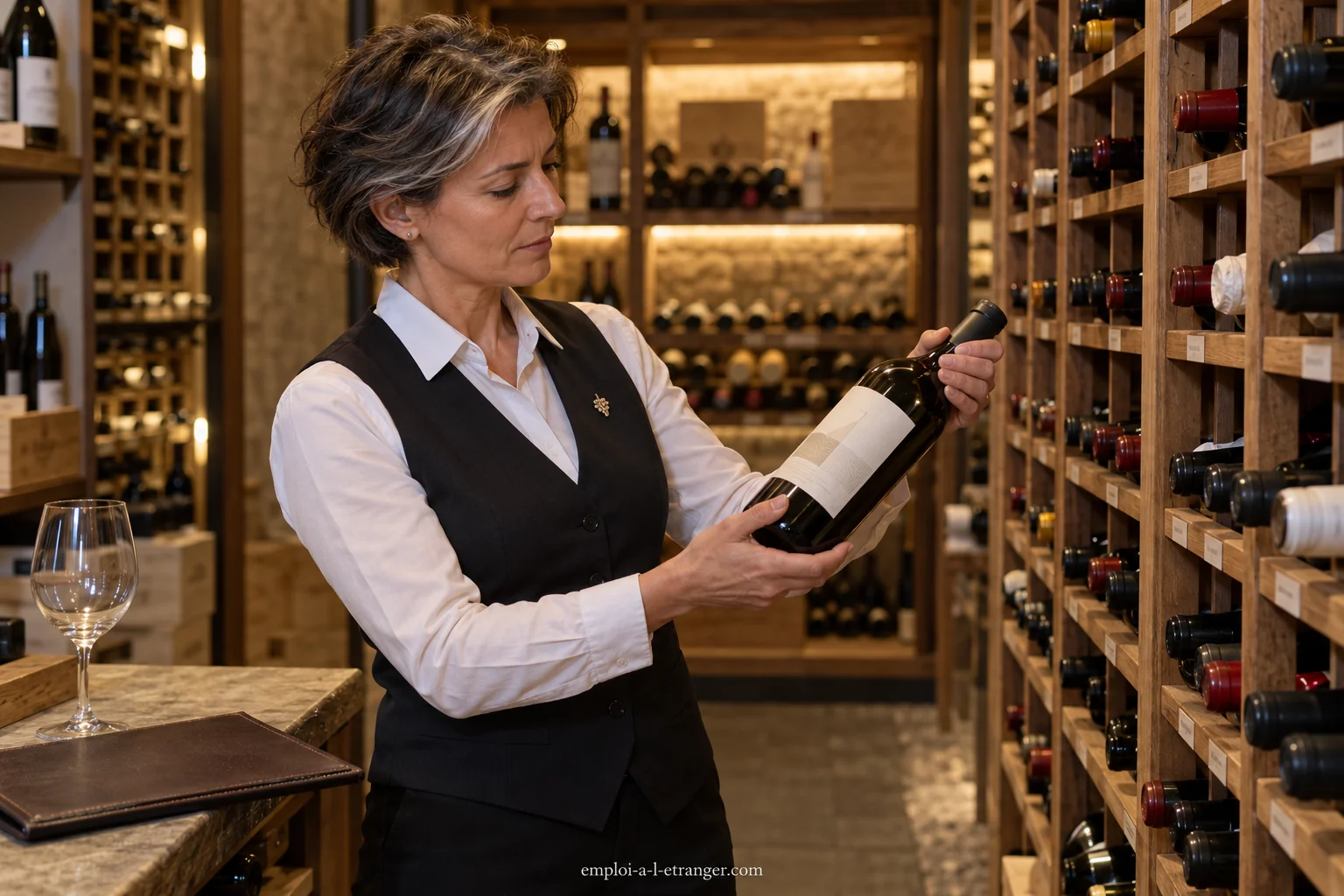
Advising, Serving, Buying: the Three Sides of the Sommelier’s Job
A sommelier is first of all an adviser: you listen to a preference, a budget and a dish, then suggest a bottle that fits. You are also a service technician, with opening, decanting, temperature and glassware to handle. And you are a manager, who selects the wines, negotiates with suppliers and keeps the cellar turning over.
Depending on the size of the venue, one person covers all three, or each is handled by someone different. Read the job advert to spot which side dominates, and build your application by putting your experience in that particular area first.
Talk About Your Pairings Rather Than Piling Up Diplomas
Certifications have their place, but a head sommelier remembers above all how you think. Prepare three or four commented pairings: a dish, the wine you suggested, the reason for the choice and a cheaper alternative. Mention the profile of the guest and the reaction you got when it was worth noting.
Add an example of a difficult moment at the table: a corked bottle, a guest unhappy about a price, an old wine that was fragile to open. Explaining what you did shows your composure and your sense of service. A commented selection is worth more than a stack of titles that the recruiter cannot compare.
- Three or four food and wine pairings explained
- Wine regions and styles you know in depth
- Size of the cellar and wine list you managed
- Training you gave to the dining room team
- Sales or stock-optimisation results, described soberly
Wine List, Cellar and Budget: the Management Side of the Role
A sommelier in charge decides what goes on the list. Ask about the annual purchasing budget, the margin policy, the expected turnover, the stock of wines for ageing and how inventories are handled. In some countries imports are tightly controlled, which limits the wines available and strongly shapes the list.
Ask about the relationship with suppliers too: local agents, importers, winegrowers. Understanding the import market, alcohol taxes and distribution channels of the country is a major asset for a sommelier from abroad. It can be learned, but it should be part of the support the employer plans to give you.
Finally, ask who approves additions to the list, who sets the prices and how unsold or damaged bottles are handled. A job in which you make suggestions without being able to decide is not a head sommelier job, even if the title is the same, and it is better to know that before you sign.
An International Clientele: Adjusting How You Speak About Wine
Depending on the city and the restaurant, you serve regulars, tourists or business travellers. Each group has its own preferences: local wines, famous appellations, discoveries, alcohol-free or low-alcohol options. Your role is to adjust the advice without condescension or jargon.
Master the words to describe a wine in several languages: acidity, tannin, freshness, length, minerality. Prepare two or three simple sentences to introduce an origin or offer an affordable alternative. Some venues appreciate it when you champion local wines instead of imposing a list tilted towards France.
Alcohol Licences and Sales Rules in the Host Country
The sale of alcohol is strictly regulated in many countries: venue licences, legal age, opening hours, total or partial bans, taxation. In some destinations the job of sommelier exists only with restrictions, or does not exist at all for legal or religious reasons.
Before accepting an offer, check that the restaurant holds the necessary permits and that your role is lawful in the country. Ask whether a local qualification is needed to serve or buy alcohol, and do not assume that a recognised course in France is the same as a permit to work there.
Training the Dining Room Team and Running Tastings
An effective sommelier passes knowledge on. You explain the character of the wines to the team, run tastings before service and prepare simple cards for the waiters. This teaching side can be a large part of the job, especially in a restaurant whose staff are not very familiar with wine.
Mention in your application any experience of training and hosting: workshops for guests, winemaker evenings, mentoring an apprentice. Then ask the employer whether time is set aside for these activities and what budget exists to buy bottles for tastings.
Pay, Hours and Conditions in a Wine Service Job
The work takes place mainly in the evening, with cellar preparation in the afternoon, stocktaking and meetings with suppliers. Ask for the rota, days off, the role of tips and any sales-related bonuses. Avoid pay packages that rest entirely on commission, which is too unpredictable.
Compare the benefits: meals, housing, training, trips to wine regions, entry to competitions. In hotel groups such as Accor or Relais & Châteaux some of these perks are formalised; in an independent restaurant they are negotiated. Have everything written into the contract.
Finding Vacancies and Preparing for the Move
Sommelier vacancies circulate on group careers pages, on specialist platforms such as Hosco and through professional networks. A direct approach to the chef or the restaurant manager, after a conversation about the restaurant’s wine list, often works better than an anonymous application.
Then prepare the move: right to work, housing, and possibly shipping your own service tools, such as corkscrews and tasting notebooks. Keep proof of your experience and training. Allow a financial margin for the first weeks, while your working rhythm and your pay settle down.
Frequently asked questions
Do I need a certification to work as a sommelier abroad?
Not always. Many venues judge experience, quality of advice and cellar management first. A recognised certification helps you stand out, but it does not replace practice. In some countries a local qualification may be required to buy or serve alcohol.
Can I work as a sommelier in a country where alcohol is restricted?
The rules vary widely. Some countries limit sales to licensed venues, others ban them. Check local law and the venue’s licence before accepting an offer, and refuse any arrangement that would get around the rules or expose you to penalties.
What should I prepare for a sommelier interview?
Study the restaurant’s wine list, its apparent suppliers and its clientele. Prepare examples of pairings, a reflection on the current list and your ideas for improving it. Expect a blind tasting or a service role-play, and ask about how the cellar is organised.
Where can I look for sommelier jobs outside my home country?
Look at the careers pages of groups such as Accor or Relais & Châteaux, as well as the Hosco platform. Also contact directly the restaurants whose wine list interests you. Always verify the employer’s identity and never pay to obtain an interview.